5 Most Common Causes of Hair Loss in Women
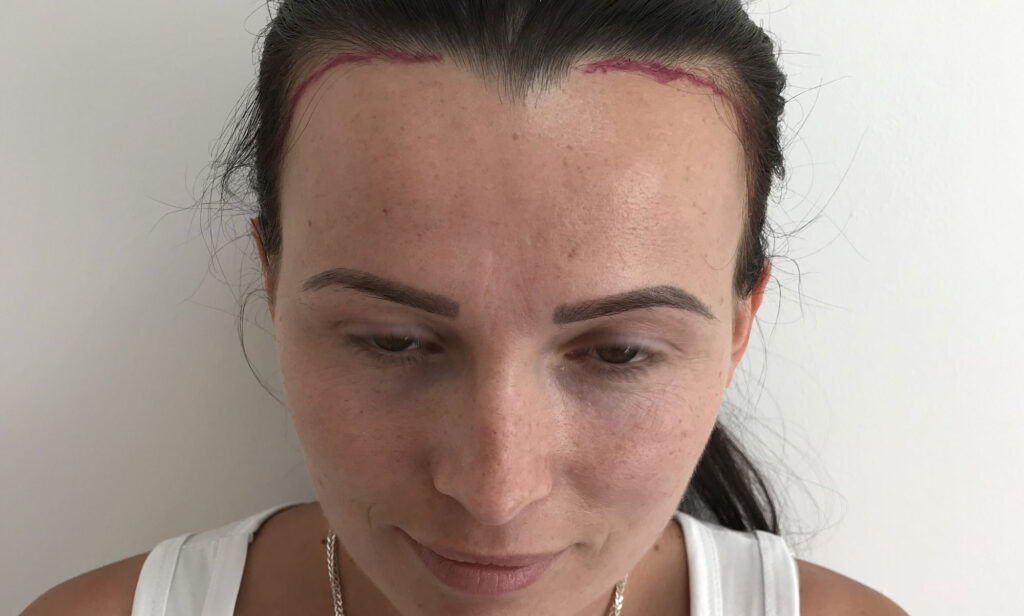
As a woman, noticing more hair on your brush or your parting widening can be worrying, but most female hair loss has a clear cause and a practical plan to stop and restore it.
In this guide, we’ll cover the five most common culprits and what to do next.
The leading cause of hair loss in women is female pattern hair loss, which is also known as androgenetic alopecia. It appears as a gradual thinning and widening of the crown, which shows more scalp than usual. It’s genetic and hormone-sensitive.
Some of the first steps to tackle this hair loss issue are to start topical minoxidil, photograph your part monthly and ask your GP to check your iron, thyroid and vitamin D levels.
5 Factors Driving Hair Loss in Women
Before you buy another shampoo, match what you see to the most likely cause. The five causes below account for the majority of female hair loss. But remember, if shedding is sudden, patchy or comes with scalp symptoms, speak to your GP or a dermatologist as soon as possible.
#1. Female Pattern Hair Loss
What it looks like: FPHL appears as a widening part and gradual thinning over the crown. The front hairline usually stays the same, but the individual hairs feel finer.
Why it happens: Genetic, hormone-sensitive miniaturisation of hair follicles.
What to do: Consider topical minoxidil once or twice daily and discuss oral options with your clinician if appropriate. Style for volume, like shorter layers and strategic parting. Track progress with monthly top-down photos in the same light. Ask your GP for blood tests to check your hormones and vitamin levels to rule out compounding factors.
Our expert says: Early, consistent treatment helps maintain density.
#2. Telogen Effluvium
What it looks like: Sudden, diffuse shedding. More hair in the brush, falling out in the shower or on the pillow, usually without a noticeably wider part at first.
Why it happens: A ‘shock to the system’ pushes more hairs into the shedding phase. It usually occurs 6-12 weeks after a stressful trigger, including illness/fever, surgery, crash dieting, major stress or certain medications.
What to do: Identify and address the trigger, ensure adequate protein and calories and be gentle with heat and colour. Fortunately, many cases settle in 3–6 months once the trigger resolves. Do book to see your GP if shedding persists beyond six months, or if you’re unsure
of the cause.
Our expert says: It’s alarming but often temporary, so if you’re dealing with this, the main thing to do right now is to support regrowth and avoid aggressive styling.
#3. Hormonal Shifts
What it looks like: Increased shedding after birth or gradual thinning around perimenopause is caused by an imbalance of hormones. Also ,with PCOS, thinning at the crown may pair with acne or unwanted facial hair. Changes in contraception can also trigger temporary shedding.
Why it happens: Oestrogen falls during postpartum and perimenopause and androgen sensitivity can influence the hair cycle and follicle size.
What to do: Postpartum shedding usually peaks around 3–4 months and then improves, so focus on gentle care and nutrition and check the suitability of minoxidil with your clinician if you’re breastfeeding. For perimenopause and PCOS, review options with your GP (including anti-androgen therapies if appropriate), optimise sleep, stress and insulin sensitivity and assess contraception choice.
Our expert says: The pattern and timing around life stages are clues to whether your hair loss is caused by hormones. To treat it you must target the underlying hormone context.
#4. Nutritional Gaps
What it looks like: Diffuse thinning or prolonged shedding, often alongside fatigue, brittle nails or frequent infections. Another factor is heavier periods, restrictive diets or rapid weight loss, which also raise the risk.
Why it happens: Did you know that hair is metabolically active? So diet is extremely important for healthy hair. It needs iron, vitamin D, protein and other micronutrients for growth and low ferritin levels are commonly linked with shedding.
What to do: Ask your GP for blood tests (including ferritin, full blood count, thyroid and vitamin D). Aim for protein with each meal, a rough guide is 1.0–1.2 g per your weight in kg every day unless advised otherwise. Include iron-rich foods like lean red meat, legumes, tofu and dark leafy greens and pair plant sources with vitamin C. Supplement only as advised by a clinician, especially with iron!
Our expert says: Correcting deficiencies supports regrowth but takes time. Think months, not weeks.
#5. Traction & Hair Practices
What it looks like: Thinning or broken hairs at the temples and edges, or where hair is pulled tight. While they might look great, over time, tight styles can cause recession at the hairline.
Why it happens: Chronic tension from tight ponytails, braids, weaves or locs and frequent bleaching and heat weaken or pull out hairs because long-term traction can scar follicles.
What to do: Loosen styles, rotate partings, limit wear time for extensions and reduce heat usage and bleach frequency. Choose protective styles that aren’t tight at the roots and prioritise conditioners and bond-building treatments. If you notice thinning at the edges, act early and seek professional advice because, unfortunately, traction alopecia can become permanent.
Our expert says: Gentle, varied styling protects your hair now and preserves density later.
When to Seek Professional Help
If you’re a woman experiencing sudden hair loss, it is likely due to one of the five factors we outlined in this guide.
But sometimes it might be something else, so please see an expert if your hair loss is sudden, patchy or persists for more than 6 months. Book in sooner if your part is widening quickly, your temples are thinning or your scalp feels sore, red, scaly or very itchy.
Post-pregnancy shedding that hasn’t eased by six months or hair loss with acne or irregular periods (possible PCOS), also deserves a check.
Start with your GP, a dermatologist or a trichologist and ask about ferritin, thyroid and vitamin D tests.
Considering a hair transplant? If you have active shedding, it needs medical treatment first. To restore hair loss that isn’t growing back as thick as you’d like, speak to a reputable hair restoration surgeon who can assess if you’re a candidate.

