Botched Hair Transplants | Is It Better to Repair or Start Again?
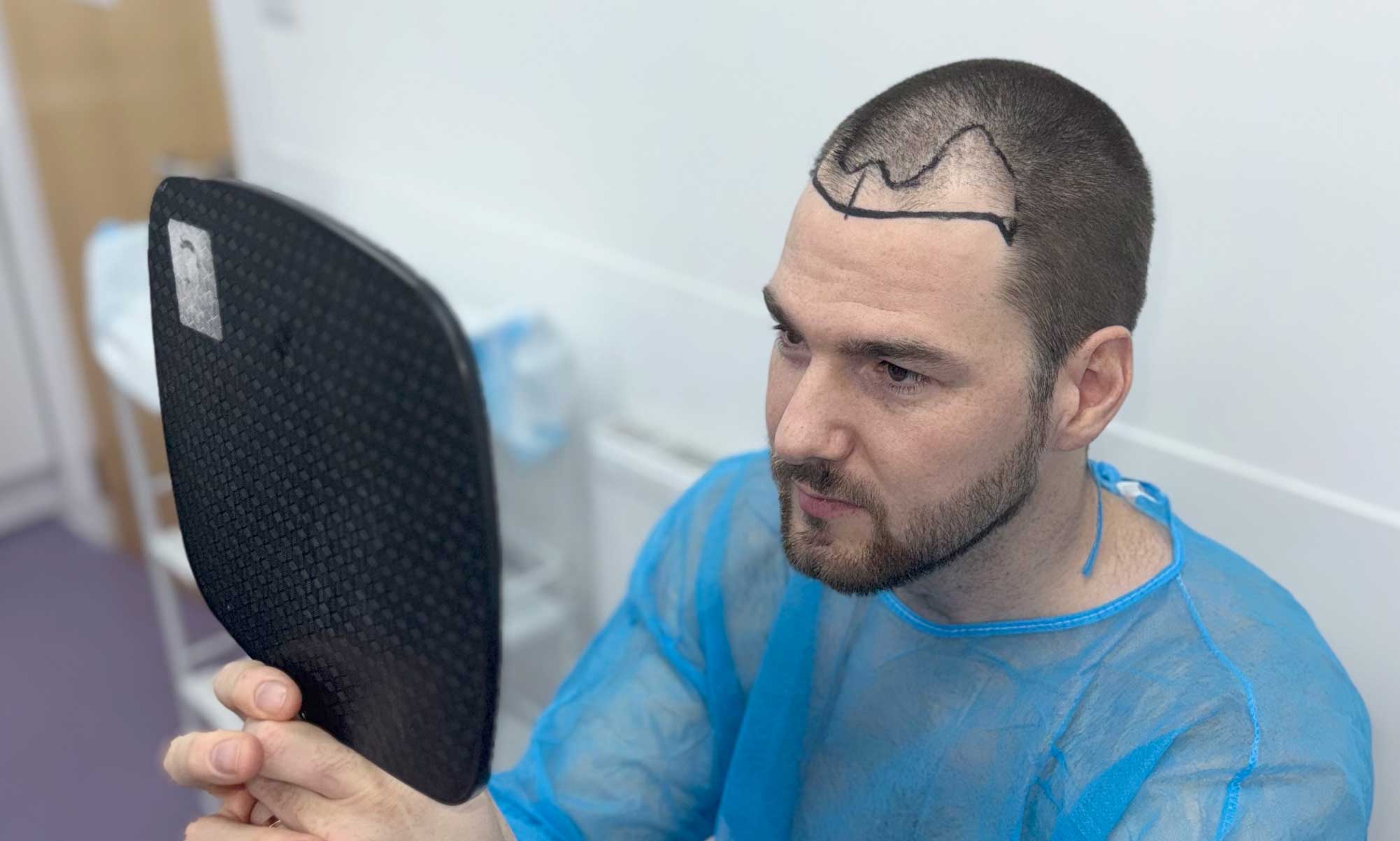
A hair transplant is meant to be a long-term investment, so discovering the result isn’t what you expected will be incredibly frustrating.
Maybe your hairline doesn’t look right, the growth is uneven or the overall result is completely different from what you hoped for.
Whatever went wrong with your hair transplant, you are not necessarily stuck with the result.
So, can you have a hair transplant twice and when is repairing botched work the better option? Keep reading to find out.
Yes, you can have a hair transplant more than once. A second hair transplant is possible if you still have enough healthy donor hair and your scalp has recovered from the first procedure. This could mean adding more density to a thin result or correcting areas where the first transplant didn’t work as expected.
Problems That Can Be Corrected After a Botched Hair Transplant
A botched hair transplant can cause several problems, but not all require the same corrective work.
Some examples include:
- An unnatural hairline – Your hairline may sit too low, look unusually straight or have thick, multi-hair grafts where finer hairs usually are. Depending on the original placement, you might need to remove some grafts before the hairline can be corrected.
- Patchy or poor density – If you’re left with noticeable gaps between transplanted hairs, additional grafts can sometimes be placed in these areas to improve the coverage.
- Hair growing at the wrong angle – Individual hairs sticking upwards or growing against the direction of the surrounding hair is something to be concerned about. If the angle is particularly noticeable, adding more hair around those grafts will not always disguise them effectively.
- An overharvested donor area – If too many follicles were taken from the back or sides of your head, you could be left with visible thinning and/or uneven patches. And unfortunately, this can also reduce the number of healthy grafts available if you need another transplant.
Problems That Can Be Corrected After a Botched Hair Transplant
Before planning corrective hair transplant surgery, your surgeon will examine the transplanted hair and decide which areas actually need further treatment.
Healthy grafts that have grown in the right position can usually be left alone.
If your new hair is growing well but still looks too thin, your surgeon can add more grafts to improve density. But remember, the amount of additional hair transplanted will depend on the donor hair you still have available after your first procedure.
A badly positioned hairline needs a different approach than density levels. For example, if the hairline was created too low on your forehead, adding more grafts won’t correct its position. In some cases, the original grafts may need to be removed or laser hair removal may be recommended to permanently eliminate unwanted hair. This would allow the hairline to be completely redesigned and repositioned at a more natural, appropriate height.
Grafts implanted at the wrong angle will also need removal if their direction makes them noticeably different from the surrounding hair.
Your previous hair transplant surgery also affects the donor area, including how much you have left to start again. That’s because once follicles are extracted, they don’t grow back in that location. If too many were taken during your first transplant, there will be fewer available for corrective work, which is why your donor area needs to be assessed properly before deciding how much further transplantation is realistic.
In some cases, your botched hair transplant can be corrected with another transplant. Keep in mind that corrective hair transplant surgery can take time, because more complex cases will likely require staged treatment, especially when existing grafts must be removed first.
The Right Time to Correct a Hair Transplant
It can be tempting to research corrective treatment as soon as you realise something doesn’t look right with your new hair, but your first transplant needs enough time to develop before judging the final result.
During the early months after having a hair transplant, hairs typically shed before new growth begins, which is something that can cause alarm in many patients.
Density then continues to develop as more hairs come through and mature. If your main concern is thin or patchy growth, what you see several months after surgery might not be the final result.
But there are some exceptions to the waiting rule. If your hairline has clearly been positioned too low or grafts have been implanted at the wrong angle, further growth will not change their position. These problems are often noticed and identified before the transplant has fully matured.
For concerns about how thick your hair will be or overall growth, you will need to wait until the transplant has matured before planning any corrective hair transplant surgery. This is commonly around 12 months, although your surgeon can assess your progress earlier and tell you whether the result still has room to develop.
If your grafts do need to be removed, you must wait for your scalp to heal before transplanting into the same area again. In other words, correcting a botched hair transplant can sometimes take more than one procedure.
Getting a Second Opinion Before Corrective Surgery
If your first hair transplant has gone wrong, have a surgeon experienced in corrective work assess it before booking another procedure. Repairing hair transplants requires understanding exactly what was done the first time and what they’re working with now.
Bring any information you still have from your original procedure, particularly the number of grafts transplanted and whether FUE or FUT was used.
During the consultation, the surgeon should examine:
✓ Your transplanted hair up close, including the direction, angle and distribution of the grafts.
✓ The donor area, checking for overharvesting, scarring and the amount of usable hair remaining.
✓ Your current pattern of hair loss, especially any thinning that has developed since your first transplant.
✓ The result you want corrected. So, be specific about what bothers you when you look at your hair because a low hairline, visible gaps and badly angled grafts require very different treatments.
✓ The condition of your scalp, including persistent redness, irritation or significant scarring
✓ Details of your first transplant, especially the technique that was used and the number of grafts transplanted — this is where previous information is helpful.
Correcting a Botched Hair Transplant
Corrective hair transplants range from adding grafts to a thin area to removing poorly placed follicles before treating the area again.
An experienced corrective surgeon can walk you through what is achievable with the hair you have available and put together a realistic plan to improve the result, giving you a much better chance of finally getting the outcome you hoped for when you first decided to have a hair transplant.

