Is There a Limit to How Many Hair Transplants You Can Have?
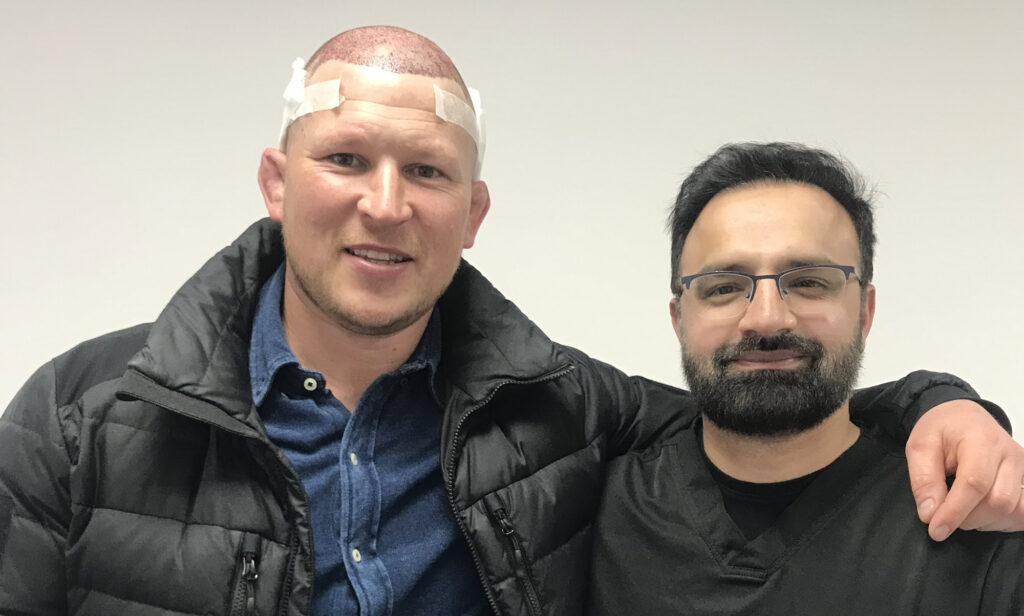
If you’re thinking about another hair transplant, you might wonder if there’s a limit to how many you can have. While modern techniques make multiple procedures possible, it’s not as simple as just booking another session.
In this guide, we’ll discuss the number of transplants you can have and how to ensure each one delivers the best possible results.
Depending on donor hair availability and scalp health, some people can safely have two to three hair transplants. The biggest limitation is donor supply. Once depleted, further transplants may not be possible. Each procedure should be spaced at least 12 months apart to allow full healing.
Running Out of Donor Hair
This is the biggest limitation when it comes to multiple hair transplants. The donor area at the back and sides of your head has a limited supply of hair follicles, and once they’re used, they won’t grow back. If too many grafts are taken over multiple procedures, the donor area can start to look thin or patchy, making further transplants less effective.
This is why it’s essential to work with a skilled surgeon who carefully extracts and places grafts to achieve natural results while keeping enough donor hair for possible future procedures. If the donor supply runs low, beard or body hair transplants may help maintain coverage in some cases. The key is making every graft count to get the best long-term outcome.
Factors That Allow You to Have Multiple Hair Transplants
The number of hair transplant procedures you can have depends on these key factors.
- Donor hair supply – Every transplant takes hair from the back and sides of your head. You can’t have unlimited hair transplants because once that supply runs low, further procedures become difficult. A skilled surgeon will use these grafts wisely to ensure long-term options.
- Scalp health and elasticity – Repeated procedures can affect the flexibility and condition of your scalp. If the skin becomes too tight or scarred, additional transplants may not be possible.
- Extent of hair loss – The more hair you lose over time, the harder it becomes to achieve full coverage with transplants alone. Some patients may need additional treatments like medication or PRP therapy to maintain results.
- Surgical technique – A precise, well-planned FUE procedure ensures even distribution of grafts, preventing over harvesting and preserving options for future transplants.
- Recovery time – Each transplant needs at least 12 months to fully heal before considering another. Rushing the process can lead to poor graft survival and botched results.
How to Maximise the Success of Multiple Hair Transplants
A hair transplant should be a long-term solution. If done correctly, many patients only need one procedure to achieve their desired look, with great results even ten years later. However, multiple transplants may be necessary for those experiencing progressive hair loss or looking to refine density over time.
Careful planning and aftercare are essential to ensure each one is as effective as possible.
The most crucial factor is choosing an experienced FUE surgeon and surgical team who can strategically preserve and distribute donor hair. Since donor supply is limited, every graft needs to be placed with precision to maintain natural-looking coverage and leave room for future procedures if needed.
Whether you’re male or female with hair loss, there is a limit to how many hair transplants you can have and it all comes down to donor hair availability and long-term planning. Overharvesting can lead to thinning in the donor area, so each transplant must be carefully considered.
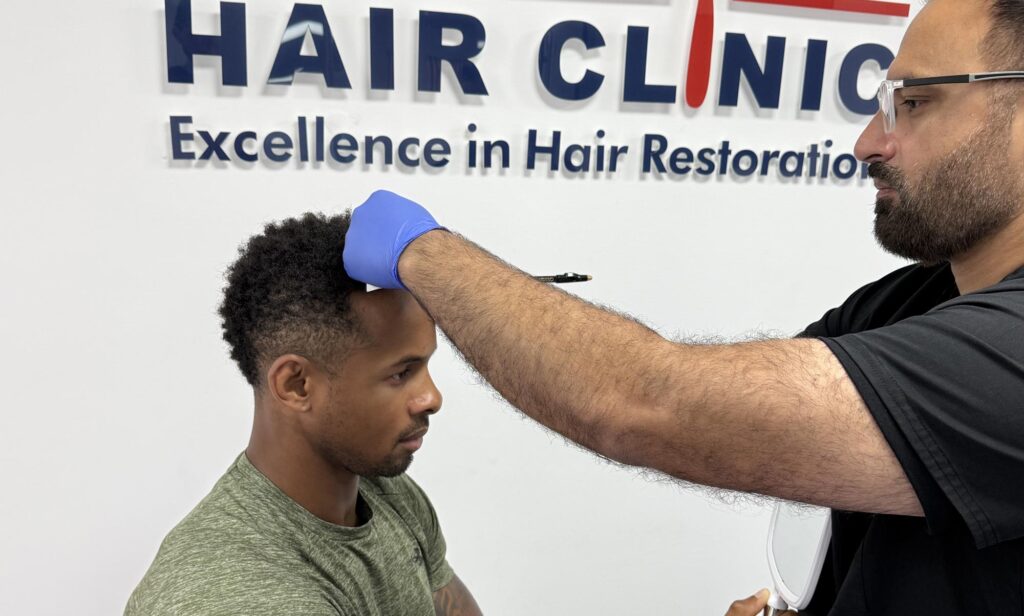
The best approach? Work with a specialist who understands the science and artistry of hair restoration. If you’re considering another transplant, consult a reputable hair clinic to discuss the best course of action.
Plus, allowing at least 12 months between transplants gives the scalp time to heal and ensures graft survival, allowing for a proper assessment of final results before considering further treatment.
Beyond surgery, protecting and strengthening existing hair is something you need to commit to. Treatments like finasteride, minoxidil and PRP therapy can slow further hair loss, helping you maintain density and potentially reducing the need for additional transplants.
While multiple transplants are possible, they should be approached with a long-term strategy. The goal is to maximise coverage while keeping results natural and with the right plan in place, most patients won’t need more than one procedure to achieve a full, natural-looking head of hair.
Planning for the Best Possible Results
There is a limit to how many hair transplants you can have. Overharvesting can lead to thinning in the donor area, so each transplant must be carefully considered.
The best approach? Work with a specialist who understands the science and artistry of hair restoration. If you’re considering another transplant, consult a reputable hair clinic to discuss the best course of action.