7 Tips to Improve Your Hair Transplant Success Rate
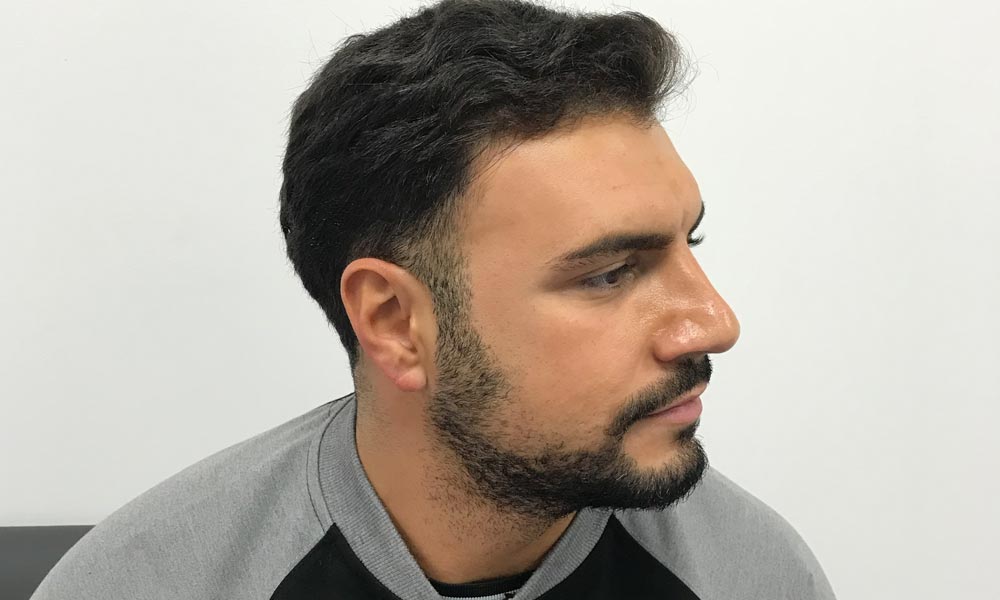
Results aren’t instant with a hair transplant, but it is the most effective way to deal with hair loss in the long term.
And the success of the procedure depends on more than just showing up on the day.
From the surgeon you choose to how you look after your scalp afterwards, there are a few things that make a big difference. In this article, we’ll cover the average success rate of hair transplants and ways to make sure you give yours the best shot possible.
The average success rate of hair transplants is around 90%. This figure refers to the percentage of transplanted hair grafts that survive and grow in the recipient area. Bear in mind that hair transplant success depends on factors like the surgeon’s experience, the technique used and how well the patient follows aftercare instructions.
Ways to Improve Your Hair Transplant Success Rate
Here are some expert tips to make sure you get the most out of your procedure:
- Choose the right surgeon
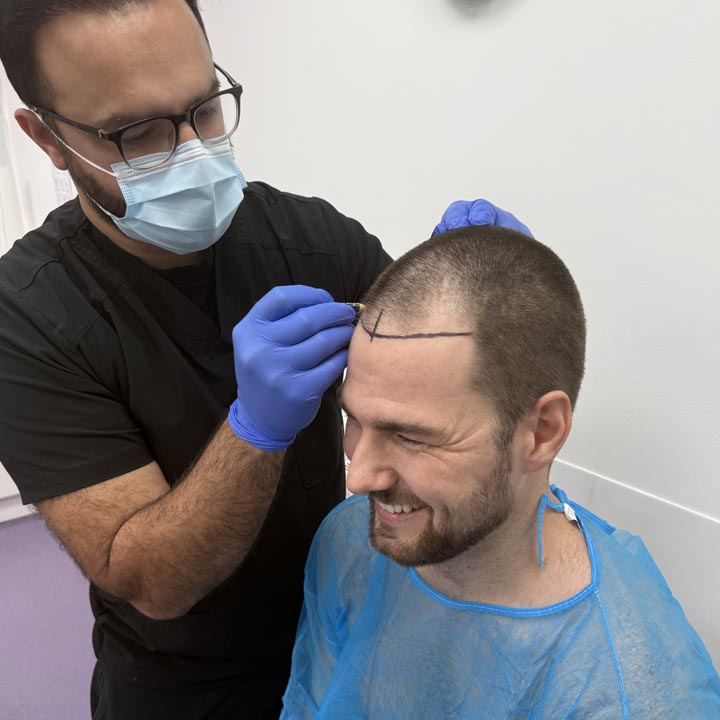
Experience matters more than anything else. So, look for a clinic offering hair restoration only, not one listing it alongside a dozen other surgical treatments. Ask to see examples of their work, especially on people with similar hair type, including ethnic hair, and hair loss patterns. - Check if you’re actually suitable for surgery
Hair transplants aren’t right for everyone, meaning if your hair loss is aggressive or your donor area is weak, you might need to wait or explore other options first. A proper consultation with a hair specialist will give you a clear, realistic answer so you know what to expect. - Ask detailed, specific questions
Ask how your hairline or treatment area will be planned, how they minimise graft damage and what their success rate is with patients similar to you. Clear, confident answers are a good sign and be wary of vague ones. - Follow the aftercare properly
The first 14 days are critical. So follow your surgeon’s precise hair transplant aftercare plan. Wash your hair exactly as instructed and avoid scratching, sweating or sleeping directly on the grafts. The way you treat your scalp in the early stage has a massive impact on long-term results.

- Take care of your scalp during recovery
Healthy skin helps the grafts take hold and grow. During your recovery from your hair transplant, stick to the products your clinic recommends. Avoid anything too harsh and steer clear of styling products or heat while your scalp is healing. - Manage your expectations
A hair transplant can drastically improve density and restore shape, but it won’t happen the day after your surgery. The aim is natural, realistic coverage based on what your donor area can support and that takes time. - Give it time
You won’t see instant results and it’s actually completely normal for the transplanted hairs to shed before they start to grow back. Most people see progress after a few months, but the full result can take 12-18 months.
The Best Candidate for a Hair Transplant
Not everyone is the right fit for a hair transplant and rushing in without checking can lead to poor results. Here’s what makes someone a strong candidate:
You have permanent hair loss – Most commonly male pattern baldness or defined thinning in women, not just temporary shedding or patchy loss from stress or illness.
You have enough donor hair – A strong donor area at the back and sides of the head is essential for transplanting healthy grafts.
Your hair loss is stable – A stable pattern gives better long-term results and reduces the chance of needing repeat procedures too soon.
You’re over the age of 25 – There’s no strict age limit for a hair transplant, but younger patients may not have a clear hair loss pattern yet, which makes planning more difficult.
You’re in good general health – Conditions like uncontrolled diabetes or autoimmune issues can affect healing and graft survival.
You’re ready and able to follow aftercare properly – Success depends not just on actual surgery but on how well you look after your scalp in the following days and weeks.
Growth Takes More Than Grafts
When getting a hair transplant, you can’t just show up on the day and hope for the best. To get the best out of a hair transplant, you must be committed to aftercare to ensure success. It comes down to planning, choosing the right surgeon and sticking to the process from start to finish. Do that, and you give yourself the best chance of a result that looks natural and lasts for decades.