Planning an FUE Transplant? Here’s Exactly How Many Grafts You Need
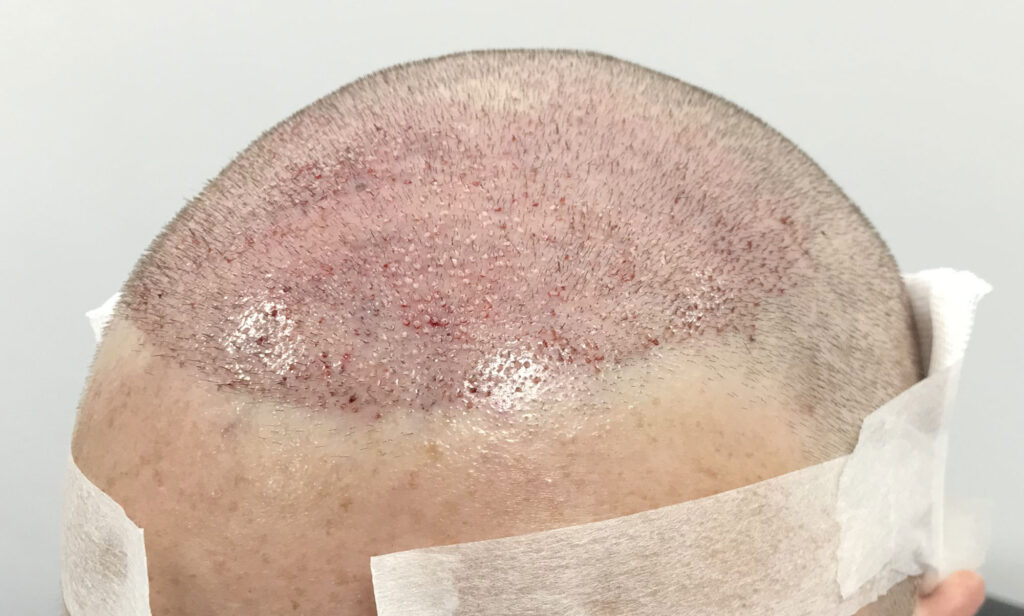
If you’re currently researching FUE hair transplants, the graft count is the number that determines everything, including results, cost and whether a second session will ever be needed.
This guide helps you with any confusion and breaks it down so you know exactly what to expect before you speak to a clinic.
Most patients require between 1,000 and 4,000 grafts, though this may increase depending on the degree of hair loss. A hairline correction in its early stages could require only 500 to 1,500 grafts, but significant thinning across the crown and temples can push that figure to 3,000 or more.
The number of FUE grafts you’ll need is influenced by the size of the area being treated, the density of your donor hair and the level of coverage you want. Surgeons generally aim for 40 to 60 grafts per cm² to achieve a natural, full result.
Calculating Your FUE Graft Count
No competent hair transplant surgeon assigns a graft number without a proper assessment. These are the factors they look at:
Norwood Scale stage
The standard classification for male pattern baldness runs from Type I (which is minimal recession) to Type VII (extensive baldness). A Type III patient could be looking at 1,500 to 2,000 grafts, where type VI patient can require 4,000 or more.
Size of the recipient area
Surgeons measure the treatment zone in cm². A hairline procedure covering 30 to 40 cm² has very different graft requirements than a combined crown and hairline job, which can span 80 to 120 cm².
Donor density
Most people have 80 to 100 follicular units per cm² in the donor zone. Higher density gives your surgeon more to work with and more flexibility in planning.
Hair texture and colour
Coarse, afro, wavy or curly hair covers more ground per graft than fine, straight hair. Patients with thick dark hair often achieve strong coverage with a lower graft count than those with fine or light hair.
Target density
Transplanted hair at 45 to 60 FU/cm² looks natural on most patients. Pushing beyond 60 FU/cm² in a single session restricts blood supply to the grafts and reduces survival rates.
Graft Estimates and Hair Loss Stage
Based on the Norwood Scale, here is what most FUE patients can expect:
- Type II to III (early recession): 500 to 1,500 grafts
- Type III to IV (moderate loss across hairline and temples): 1,500 to 2,500 grafts
- Type IV to V (noticeable thinning across the crown): 2,500 to 3,500 grafts
- Type VI to VII (advanced baldness): 3,500 to 5,000 or more grafts, often split across two sessions
Please note that these figures are a starting reference. An in-person assessment will always produce a more accurate number than any general guide.
How Many Grafts a Surgeon Extracts in One Session
A skilled FUE surgeon can typically extract 2,000 to 3,000 grafts per day. Some clinics offer larger sessions in the 3,000 to 5,000 range, which requires more theatre time and careful management of the donor area.
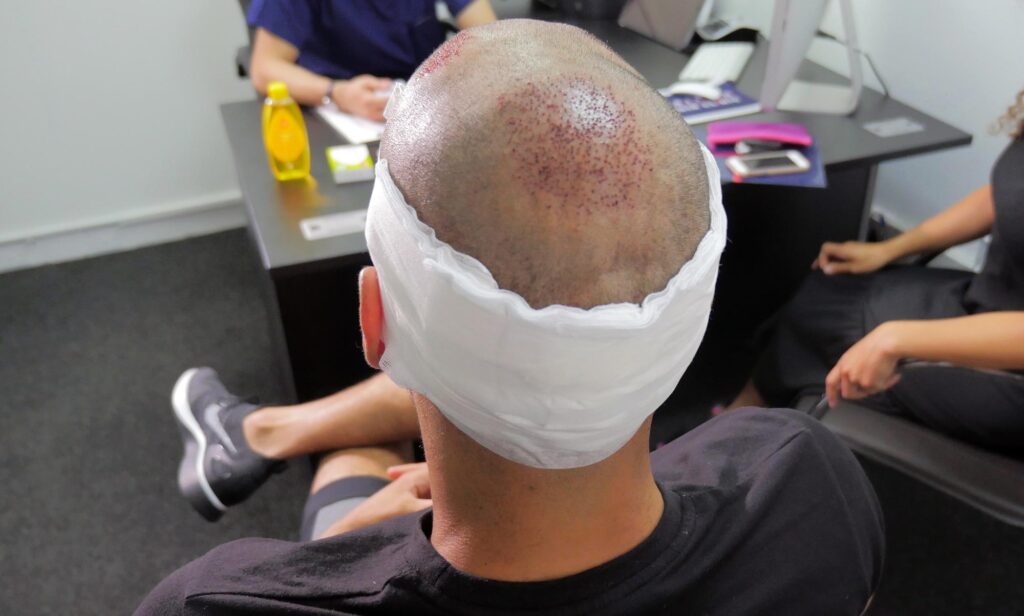
Overharvesting is a genuine risk because follicles removed from the donor zone are gone permanently. A clinic that protects your long-term donor health will set limits based on what your scalp can sustain.
Graft Survival and What to Realistically Expect
Graft survival rates in experienced clinics run between 85% and 95%.
The main causes of lower survival are poor graft handling, keeping follicles outside the body for more than six hours and placing too many per cm². So surgical skill and clinic standards directly impact how many transplanted follicles actually take root and grow.
How to Get a Graft Count You Can Trust
Online calculators give a rough ballpark, nothing more. To get a number you can plan around, you need:
- A consultation with a qualified hair transplant surgeon, in person or by video
- A trichoscopy or follicular density assessment of your donor area
- A clear conversation about your hair goals, since full density and natural-looking coverage are not always the same target
- A discussion about future hair loss progression, because a solid plan accounts for where your hairline is likely to be in ten years after the transplant, too.