Can Hair Transplants Help You Grow a Full Beard? What the Experts Say
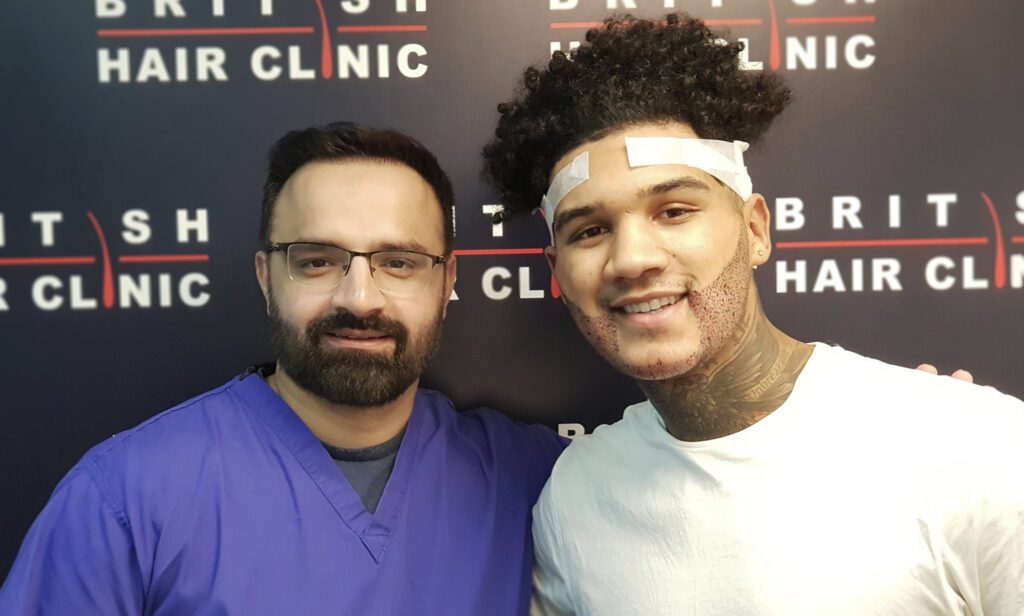
For many men, beards are tied to confidence, identity and perceived maturity. But not everyone can grow a thick, even beard naturally.
Keep reading as our experts discuss whether hair transplants can actually help you get a fuller beard, how the procedure works and when it might be the right solution.
There is good news for men with thinning beards: yes, hair transplants can help achieve a fuller beard by moving healthy hair follicles from a donor area on the scalp into patchy or thin beard areas. Once transplanted, these follicles grow like natural facial hair and can be trimmed, shaved and styled as usual.
Why Some Men Struggle to Grow a Full Beard
Patchy beards are usually down to genetics, meaning your DNA dictates how many follicles you have and how thick each strand grows. Hormones matter too because facial hair growth relies on dihydrotestosterone, commonly known as DHT, and lower sensitivity to it can mean slower or sparser growth.
Facial scarring, past skin infections or certain medical conditions can also permanently damage follicles, making natural regrowth impossible. It’s important to know the cause, because if the follicles are inactive, only adding new ones through a transplant can create lasting coverage.
How Beard Hair Transplants Work
A beard transplant involves taking healthy hair follicles from a donor area, typically the back and sides of the scalp, and implanting them into areas of the beard that are patchy. Most hair transplant surgeons use the FUE method, where follicles are removed individually and placed at the correct angle and direction for natural growth.
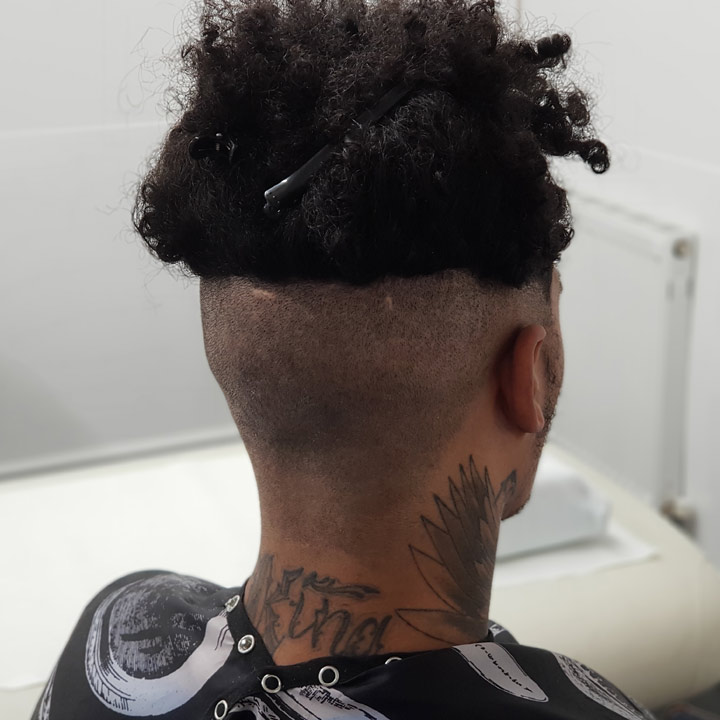
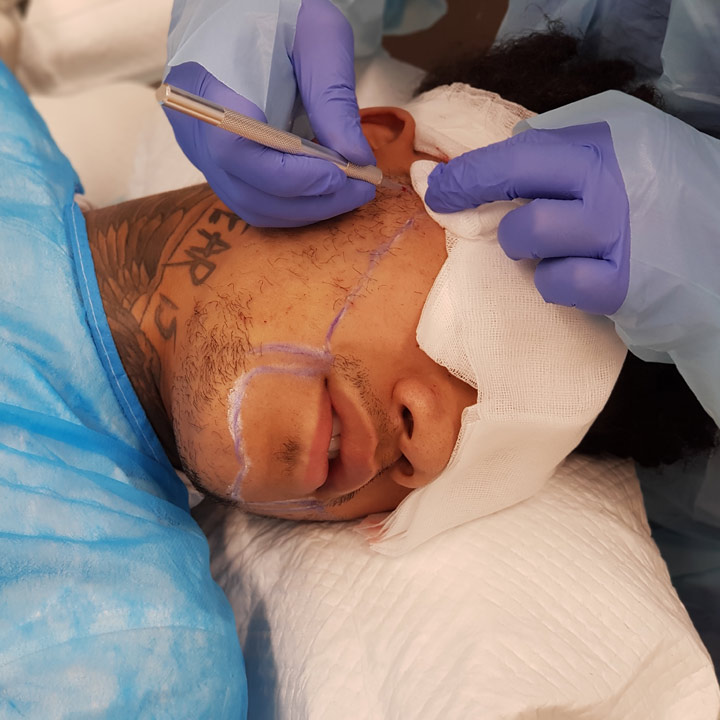
Each graft contains one or two hairs and several hundred to a few thousand may be needed, depending on coverage goals. After surgery, the transplanted hairs shed within weeks, which is a normal part of the growth cycle, before permanent growth begins around three to four months, with full results visible in 9–12 months and you can style your beard however you want.
When a Beard Transplant Can Help
If your beard has been patchy for years, chances are it’s not going to fill in magically at some point – and that’s where a transplant can make a difference. They work best when the gaps are permanent, usually thanks to genetics or old scars, and you’ve got a healthy supply of donor hair at the back of your scalp.
A FUE beard transplant can boost density, define shape and create the fuller look you’ve been aiming for. The best candidates have stable hair growth, healthy skin and a realistic idea of how thick their beard can get. Tick those boxes, and you’re looking at a permanent, natural-looking upgrade that blends right in with the rest of your facial hair.
When a Hair Transplant for Beard Isn’t the Right Option
Sometimes the timing or circumstances just aren’t right for a beard hair transplant. If your facial hair growth is still changing, you risk ending up with uneven coverage as your natural hair pattern shifts.
A limited donor area can also hold you back because, without enough strong follicles at the back of your scalp, achieving a balanced, natural result just isn’t possible. And if your beard patchiness is linked to an untreated skin condition, hormonal imbalance or ongoing inflammation, new grafts could fail for the same reasons your original hair did.
So, addressing the underlying issue first often leads to a far better long-term outcome, whether that’s through medical treatment or other hair restoration methods, like PRP therapy or LED therapy.
Is a Fuller Beard in Your Future?
A beard transplant is a highly effective way to add the coverage your natural growth can’t provide. But, as mentioned previously, it depends on your hair pattern, skin health and donor hair, which is why a professional assessment is essential. If the conditions are right, it’s a straightforward, permanent way to get a fuller, more even beard that suits your face and style. Just make sure you choose a reputable hair clinic with experienced surgeons, as the skill and precision of the procedure make all the difference to the final result.