How Heat, Products and Styling Can Weaken Your Hair
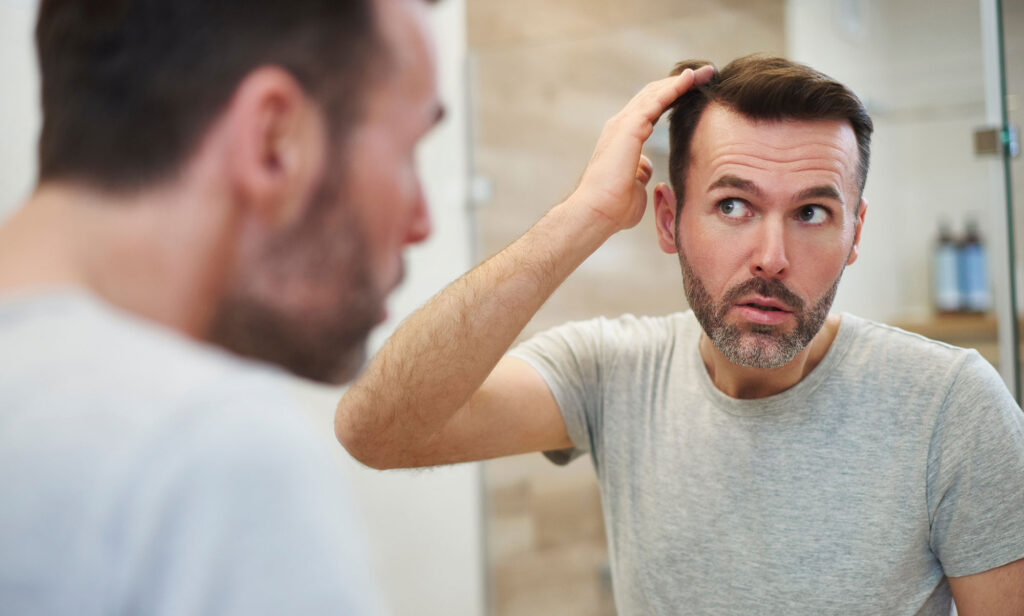
Your morning styling routine might be silently sabotaging your hair health.
Between hairdryers, straighteners, curling irons and styling products, most of us subject our hair to daily stressors that gradually break down its structure. This article will help you understand how these tools cause damage, giving you the first step toward protecting your hair while still looking your best.
Heat styling damages hair by breaking down the hydrogen bonds that give hair its structure, degrading protective proteins and evaporating essential moisture from the hair shaft.
When you apply temperatures above 300°F (150°C), which most styling tools exceed, you trigger structural damage at the molecular level.
The Science Behind Heat-Damaged Hair
Healthy hair has its cuticle lying flat, kind of like overlapping roof shingles. That’s what gives it that smooth, shiny look. Heat messes with this in a few ways, including:
Moisture depletion – Your hair normally holds about 10-13% water. After heat styling? That can drop to 5% or less. Dry, inelastic hair is the result.
Protein degradation – Those keratin chains holding your hair together start breaking apart when exposed to sustained heat. Weak points form along each strand.
Lipid loss – The natural oils coating and protecting your hair evaporate when things get too hot, stripping away your hair’s waterproof barrier.
Oxidative stress – Heat creates free radicals that go after your hair’s melanin (that’s your colour) and its protein structure. This is why heat-damaged hair often looks faded and feels weaker.
How Styling Products Contribute to Hair Damage
Many hair products contain ingredients that compromise its health over time:
Alcohol-Based Products
Most hairsprays, mousses and gels contain SD alcohol 40 or isopropyl alcohol. These evaporate fast to set your style, but they strip natural oils in the process. Daily use leads to cumulative dryness and brittle hair.
Silicones Without Proper Cleansing
Dimethicone makes hair look smooth and shiny, but without giving your hair a proper washing, it builds up and prevents moisture from penetrating. This makes hair look dull, heavy and can actually clog scalp pores, causing even more issues.
Sulfates and Harsh Detergents
SLS and SLES create that satisfying lather, but they strip away the protective lipid layer that keeps hair healthy and resilient.
Heavy Waxes and Pomades
Petroleum-based products and heavy waxes coat hair so thoroughly that moisture can’t penetrate, creating dry, brittle hair underneath.
Physical Damage from Styling Techniques
Heat and products aren’t the only culprits — the actual styling techniques cause damage too:
- Tight hairstyles create constant tension. Ponytails, buns and braids pulled tight daily lead to breakage and can cause traction alopecia, which is permanent hair loss around the hairline.
- Brushing wet hair is particularly bad because wet hair stretches up to 30% more than dry hair, making it fragile and prone to snapping.
- Rubber bands and metal accessories with rough edges catch and tear hair at grip points.
- Teasing and backcombing force the cuticle opposite its natural direction, creating immediate damage that accumulates over time.
Protecting Your Hair While Styling
You don’t need to throw out all your styling tools. A few smart changes can cut down the damage:
- Lower the temperature – Fine hair rarely needs more than 300°F. Thick hair doesn’t usually need above 350°F.
- Apply heat protectant – Creates a barrier between your hair and direct heat.
- Limit frequency – Save heat styling for when it matters. Air-dry when you can.
- Use quality tools – Ceramic and tourmaline plates distribute heat evenly.
- Choose better products – Look for alcohol-free formulas and water-soluble silicones.
- Gentle handling – Wide-tooth comb on wet hair. Start detangling at the ends, work upward.
When Prevention Isn’t Enough: Professional Hair Restoration
If heat and styling damage have led to significant hair loss or thinning, prevention alone might not be enough to restore what you’ve lost. That’s where professional treatments come in:
Hair Transplants
For areas where follicles have been permanently damaged or lost, hair transplantation can relocate healthy follicles from donor areas to restore natural-looking density and coverage.
PRP Therapy
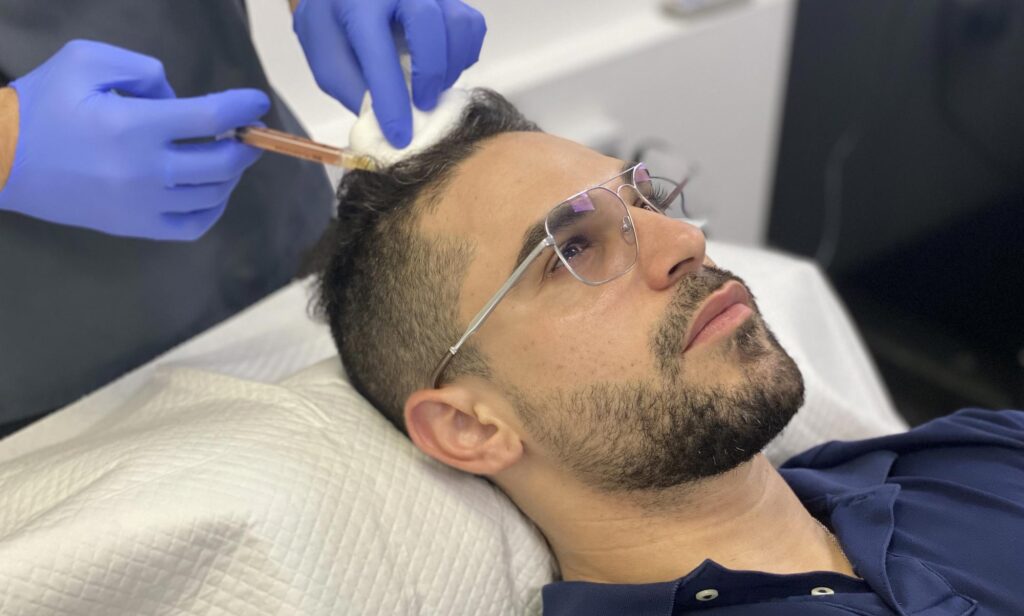
Platelet-Rich Plasma therapy uses your own blood’s growth factors to stimulate weakened follicles, encouraging thicker regrowth in areas affected by heat damage and follicle miniaturisation.
Low-Level Laser Therapy (AKA: LLLT)
Clinical-grade laser treatments penetrate deeper than at-home devices, improving cellular function in damaged follicles and supporting healthier regrowth where styling has taken its toll.
These treatments work best when combined with better hair care practices, because there’s no point restoring your hair if you’re going to damage it all over again.
Let’s Recap
Many heat tools and styling products cause real structural damage by breaking down proteins, depleting moisture and degrading the protective cuticle.
Occasional use with precautions won’t destroy your hair, but daily heat exposure and harsh products create cumulative damage, causing breakage, dullness and hair that just won’t cooperate.
The good news is that hair bounces back when you give it what it needs. Understanding what your tools and products actually do helps you make smarter choices, leading to healthier, stronger hair over time.