5 Most Common Causes of Hair Loss in Women
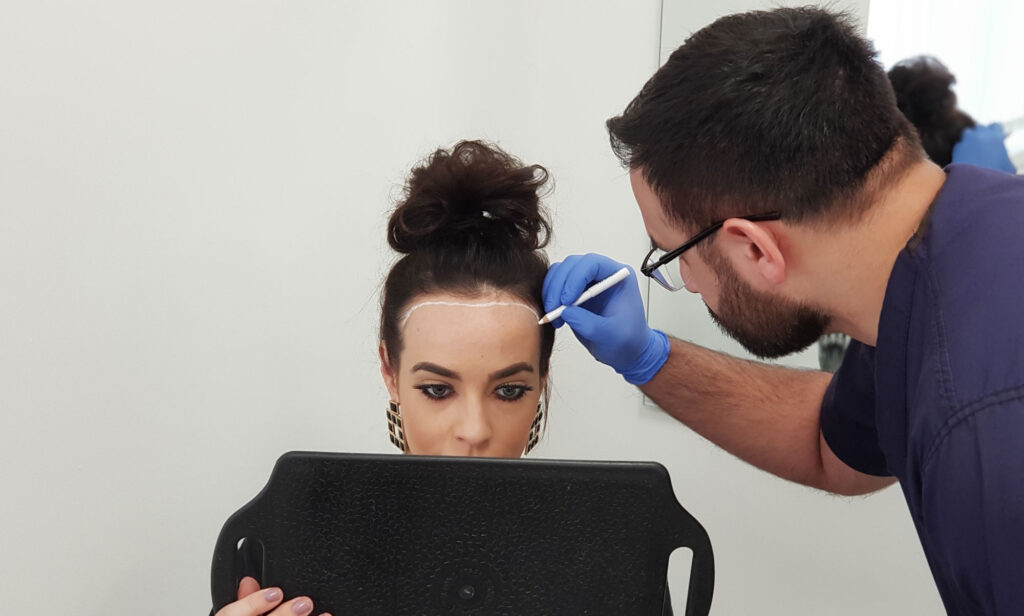
Hair loss in women is more common than most people realise.
It can happen gradually or suddenly and often for reasons that have little to do with age.
Understanding what those reasons are can make it easier to recognise changes early and find the right way forward.
So, what are the most common causes of hair loss in women?
The most common causes of female hair loss include hormonal changes, thyroid disorders, nutritional deficiencies, chronic stress and genetic factors. Each affects the hair growth cycle in a different way. When hormones fluctuate, nutrients run low or stress remains high, follicles slow production or shed hair earlier than usual. Identifying the cause is the first step toward restoring healthy, consistent hair growth.
The 5 Causes of Female Hair Loss in More Detail:
Hormonal Changes
When it comes to women’s hair, hormones have a strong influence on hair growth. When their levels fluctuate, the pattern and texture of hair often change too.
Many women are happy to notice thicker hair during pregnancy. But will experience increased shedding a few months after giving birth. Around menopause, lower estrogen and progesterone can make hair finer or sparser. Conditions such as PCOS or changes in birth control can also increase androgen activity, which may cause thinning near the crown or part line.
Thyroid Disorders
Thyroid function affects the activity of many tissues, including hair follicles. And if hormone levels are too low or too high, hair growth becomes uneven or delayed.
Hair loss from thyroid issues in women will often appears as general thinning across the scalp rather than distinct patches like with autoimmune conditions such as alopecia areata. Other signs, such as fatigue, weight changes or dry skin usually appear at the same time, indicating a thyroid issue.
Nutritional Deficiencies
Did you know that hair depends on steady nutrition to grow well? That’s why when you lack important nutrients, your hair starts growing more slowly and strands can weaken or fall out more easily.

Low iron is one of the most common causes, especially in women with heavy periods or low dietary intake. Deficiency in vitamin D, zinc or protein can also have a similar effect. These nutrients support cell renewal and follicle strength, so when levels drop, hair often becomes finer and sheds more quickly.
The good news is that you can restore balance through a varied diet or supplements prescribed after testing which usually helps regrowth over time.
Chronic Stress
If you’ve ever had long periods of stress, you might have noticed the negative effects on your hair. That’s because high levels of cortisol can interrupt the body’s normal biological patterns and hair growth is often one of the first to respond. Elevated stress hormones can push more follicles into a resting phase, leading to noticeable shedding a few months later.
This type of hair loss, known as telogen effluvium, usually appears as general thinning rather than bald patches. But once stress levels ease and the body recovers, growth tends to return to normal, though keep in mind that it can take several months to catch up.
Genetic Factors
Some types of hair loss are actually inherited. For women, this is seen as gradual thinning on the crown or a wider part line rather than complete bald spots. The condition, known as female pattern hair loss, is linked to how sensitive scalp follicles are to androgens such as DHT.
Genetic hair loss develops slowly and can start at almost any age after puberty. While it cannot be fully prevented, early recognition and targeted care can slow its progression and maintain density for longer.
Female Hair Loss in Context
The causes of hair loss in women is complicated and never normally just one problem. Hormones, thyroid function, nutrition, stress and genetics can all interact, sometimes making it difficult to trace a single reason. Looking at the broader picture, like overall health, lifestyle and family history, gives the clearest sense of what’s happening.
Identifying the cause early makes it easier to manage and, in many cases, to reverse. With time, consistency and the right support, most women can restore stronger, steadier growth.