What is Hair Miniaturisation & Can It Be Reversed
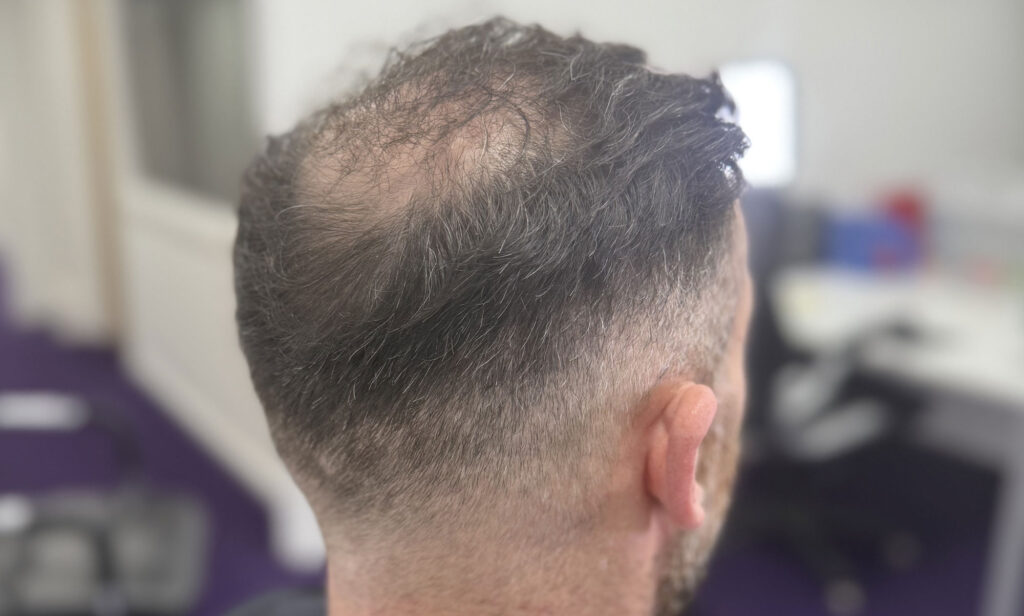
If you’ve noticed your hair becoming finer, thinner or less voluminous over time, you might be experiencing hair miniaturisation. This gradual process affects millions of people worldwide and is one of the primary mechanisms behind pattern hair loss.
Keep reading as we explain what’s happening beneath your scalp so you can take action before it’s too late.
Yes, hair miniaturisation can be reversed, but success depends on how advanced the process has become. Follicles that are miniaturised but still producing some hair, even fine vellus hair, can often be revitalised with appropriate treatment. However, follicles that have been dormant for years or have completely atrophied may be beyond recovery.
The key is early intervention. The sooner you address miniaturisation, the better your chances of reversing the damage and restoring thicker, healthier hair growth.
Hair Miniaturisation Explained
So, what is hair miniturisation?
Hair miniaturisation is the progressive shrinking of hair follicles over time, resulting in shorter, finer and lighter-colored hair strands. Instead of producing thick, pigmented terminal hairs, affected follicles begin producing thinner vellus hairs — the fine, nearly invisible ‘peach fuzz’ that covers much of our body.
During this process, the hair growth cycle becomes disrupted.
The anagen phase (active growth period) shortens while the telogen phase (resting period) remains the same or lasts longer, meaning each successive hair grows for a shorter time, becomes thinner and might not even emerge from the scalp. Eventually, miniaturised follicles stop producing visible hair altogether, though they technically remain alive beneath the surface.
Causes of Hair Follicle Shrinkage
The most common cause of hair miniaturisation is androgenetic alopecia, also known as female or male pattern baldness. This hereditary condition affects approximately 50% of men by age 50 and around 40% of women by menopause.
The culprit is dihydrotestosterone, commonly known as DHT, a hormone derived from testosterone. In genetically predisposed individuals, hair follicles, particularly those on the crown and hairline, are sensitive to DHT. When DHT binds to receptors in these follicles, it triggers a cascade of events that gradually shrink the follicle, shorten the growth phase and weaken the hair shaft.
Other contributing factors include ageing, hormonal imbalances, nutritional deficiencies, chronic stress and certain medical conditions. However, DHT-related miniaturisation remains the primary driver of progressive hair thinning in both men and women.
Reversing Hair Miniaturisation
Minoxidil (Rogaine)
Minoxidil is an FDA-approved topical treatment available over the counter in 2% and 5% formulations and it works by extending the anagen phase, improving blood flow to follicles and stimulating miniaturised follicles back into active growth.
Studies actually show that consistent Minolxidil use can reverse miniaturisation in many men and women, particularly when started early. Results typically appear after 3-6 months of daily application, with peak benefits around the 12-month mark.
Finasteride
These prescription medications block the enzyme that converts testosterone to DHT, directly addressing the root cause of androgenetic alopecia.
And by reducing DHT levels by up to 70%, they can halt miniaturisation and promote follicle recovery.
Clinical trials demonstrate that finasteride can reverse miniaturisation in approximately 65% of men, with many experiencing significant regrowth.
Low-Level Laser Therapy (LLLT)
FDA-cleared laser devices use red light wavelengths to stimulate cellular activity within hair follicles, potentially reversing miniaturisation through improved energy production and inflammation reduction.
While less powerful than medication, low level lasers for hair offers a non-invasive option with minimal side effects.
Plasma Injections
Plasma injections involve injecting concentrated growth factors from your own blood into the scalp. In fact, research suggests this can awaken dormant follicles, reduce inflammation and reverse early-stage follicle shrinkage, though results vary and multiple sessions are required.
Nutritional Support
Deficiencies in iron, vitamin D, biotin and protein can accelerate miniaturisation. While supplements alone won’t reverse genetic hair loss, addressing nutritional gaps supports overall follicle health and optimises treatment outcomes.
Hair Transplant (FUE)
Hair transplants do not reverse miniaturisation. Instead, they replace follicles that have already stopped producing viable hair. For this reason, transplantation is usually considered only when miniaturised follicles are no longer responding to non-surgical treatments.
An FUE transplant works by relocating healthy, DHT-resistant follicles from the donor area into areas of established thinning or baldness. These transplanted follicles retain their resistance to miniaturisation and continue to grow long term.
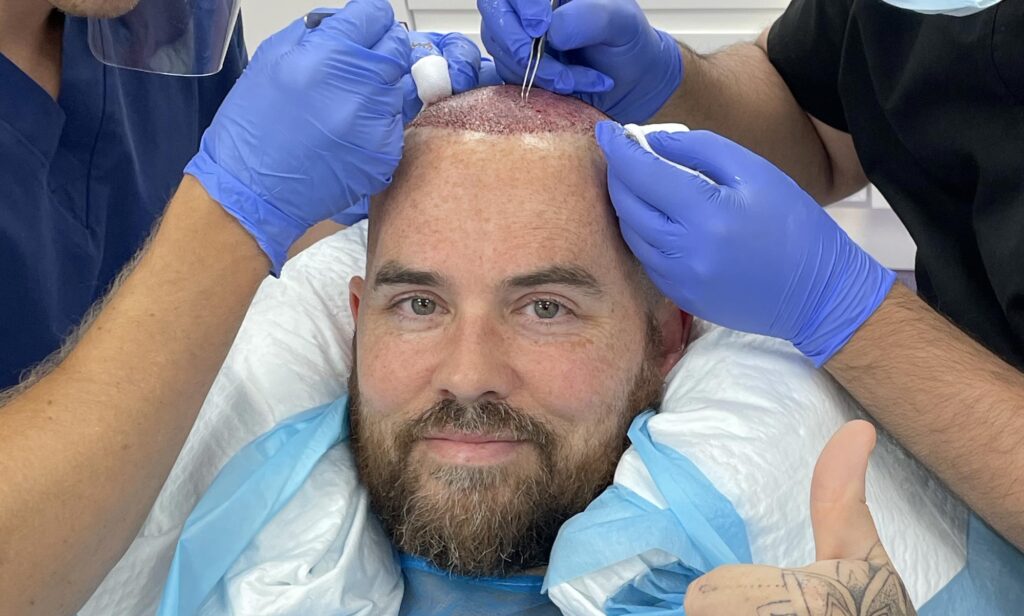
It’s worth noting that most surgeons avoid transplanting into areas with active miniaturisation, as surrounding native hairs may continue to thin, leading to uneven density. So, stabilising hair loss with treatments such as Finasteride, Plasma injections or LLLT is often recommended before surgery to protect existing follicles and improve long-term outcomes.
Preventing Further Miniaturisation
Prevention is easier than reversal. Consider these strategies:
- Start treatment early at the first signs of thinning
- Maintain consistency with chosen treatments, as stopping often leads to rapid loss of gains
- Manage stress through exercise, meditation or therapy
- Protect your scalp from sun damage and harsh chemical treatments
- Eat a balanced diet rich in proteins, healthy fats, vitamins and minerals
- Avoid tight hairstyles that create tension on follicles
- Monitor progress with photos every few months
Treating Hair Miniaturisation at the Right Stage
Hair miniaturisation is a progressive condition, but it’s not inevitable or irreversible.
Detecting it early gives you time for appropriate treatment, with many people successfully reversing follicle shrinkage and restoring fuller, thicker hair.
As discussed, the most effective approach typically combines FDA-approved treatments like minoxidil or finasteride with lifestyle modifications and professional guidance. If your hair shrinkage is not improving, then speaking to a hair clinic for a hair transplant could be the next step.
If you’re experiencing thinning hair, consult a dermatologist or trichologist for personalised evaluation and treatment planning. Because the earlier you act, the better your chances of preserving and revitalising your hair follicles before miniaturisation becomes permanent.