A Guide to Bald Spots and Hair Transplants
Bald spots are more common than most people think, and by the age of 50, roughly half of men and up to 40% of women will experience some form of noticeable thinning or hair loss.
So, can a hair transplant fix a bald spot? In this guide, we’ll break down exactly how hair transplants work, when they’re a reliable fix and when another approach might be more effective.
Yes, in many cases, hair transplants can permanently fill in bald spots. The procedure works by taking healthy hair follicles from a donor area (typically the back and sides of the head) and transplanting them into the bald patch. Once these follicles take root, they continue to grow hair naturally for years. But bear in mind that success depends on the cause of the bald spot, the availability of donor hair and the patient’s scalp health.
Why Bald Spots Happen
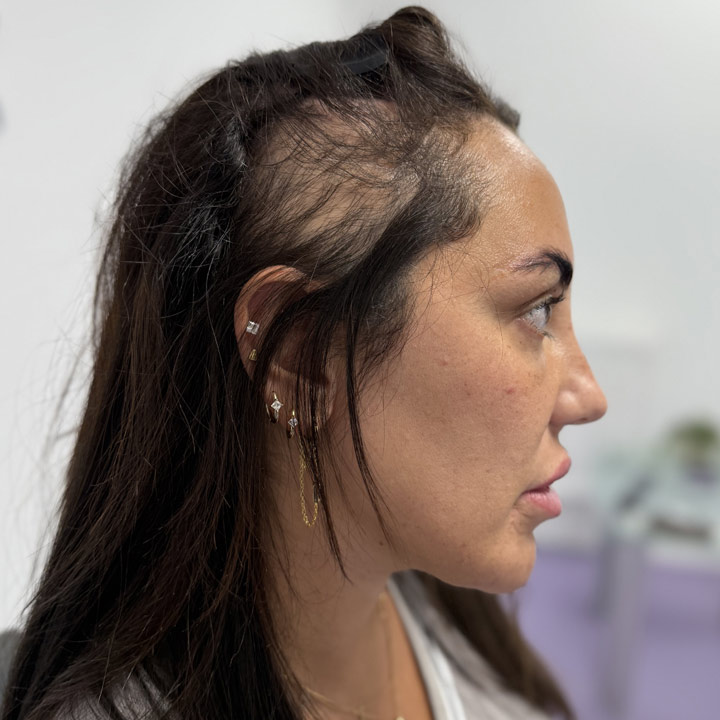
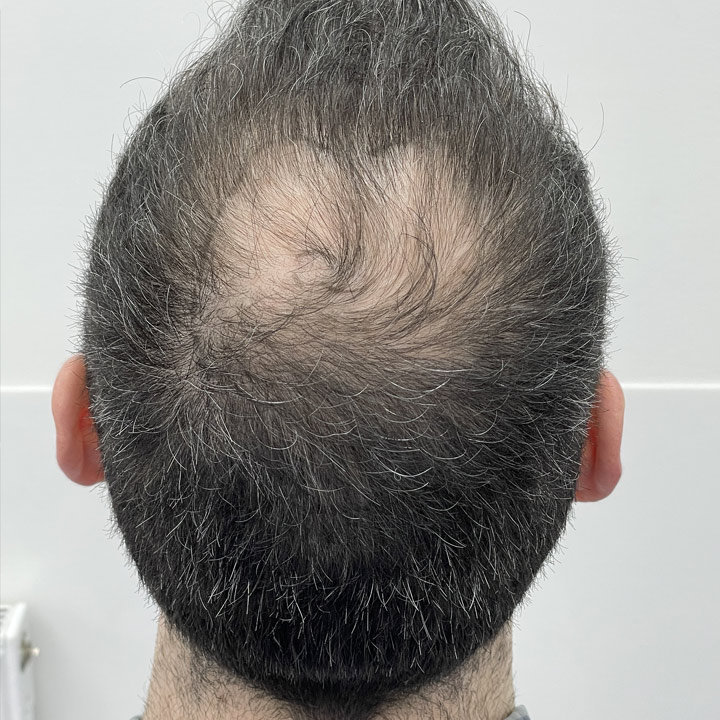
Not all bald spots are created equal and knowing the difference can save you time, money and frustration. A bald spot is an area of scalp where hair density is noticeably reduced or completely absent and the reasons behind it vary.
The most common cause is androgenetic alopecia, better known as male or female pattern baldness. This is a hereditary condition where hair follicles shrink and stop producing healthy hair. In fact, it’s responsible for over 90% of bald spots in men and a significant proportion in women.
Other causes include:
- Alopecia areata – an autoimmune condition where the body mistakenly attacks hair follicles, often causing patchy hair loss.
- Scarring alopecia – permanent hair loss following injury, burns and certain skin conditions that damage follicles.
- Medical or nutritional factors – thyroid disorders, iron deficiency and certain medications can trigger hair thinning or patchy loss.
When a Hair Transplant Can Fix Bald Spots
Hair transplants work best when the bald spot is stable, meaning it’s not actively expanding due to ongoing hair loss, to allow the surgeon to plan the procedure with confidence that the transplanted area will blend naturally with the surrounding hair over time.
You’re likely a good candidate if:
- The back and sides of your scalp have enough strong, thick hair to cover the bald spot without leaving visible thinning elsewhere.
- Male and female pattern baldness responds particularly well to transplants because donor hair is typically resistant to the hormones that caused the bald spot in the first place.
- The more compact the area, the easier it is to achieve full coverage and density.
- No active skin conditions or inflammation that could damage new grafts.
In these cases, a hair transplant can produce natural, permanent results that blend with your existing hair perfectly, restoring desired appearance and rebuilding self-confidence.
Even in ideal scenarios, a thorough consultation with a qualified hair restoration specialist is essential to set realistic expectations.
When a Hair Transplant Might Not Be the Best Solution
It’s easy to think a hair transplant is the ultimate cure for any bald spot, but, unfortunately, that’s not always the case. Surgery is only as good as the conditions it’s performed under and sometimes those conditions just aren’t right.
For example, if your hair loss is still active and the bald spot is expanding, a transplant can quickly look out of place. The newly transplanted hairs might thrive, but the surrounding native hair could keep thinning, leaving you with a patchy result that needs further surgery later on.
The availability of donor hair is another limiting factor, because if the back and sides of your scalp don’t have enough strong, healthy follicles, it’s simply not possible to achieve dense, natural coverage without overharvesting and creating new thin spots elsewhere.
Then there’s the question of cause. Bald spots from untreated autoimmune conditions, thyroid problems or scalp infections can be hostile environments for new follicles. Even if the surgery is technically successful, those same issues can cause the transplanted hairs to fall out over time.
And while hair can sometimes be transplanted into scar tissue, the success rate is lower because scarred skin may not have the blood supply needed for grafts to take hold and grow.
In these situations, it’s smarter to focus on treatments that stabilise your hair loss first, such as medication, PRP therapy or lifestyle changes, before considering surgery, giving it the best possible chance to succeed with your hair transplant.
Your Next Step Towards Hair Restoration
So, the good news is that bald spots don’t have to be permanent, but the right solution depends entirely on the cause, the health of your scalp and your long-term hair goals.
A skilled hair restoration specialist and surgical team can assess these factors and choose an approach that makes sense for your situation. Whether that ends up being a transplant, a non-surgical treatment or a combination of both, the aim is always the same – results that last and look natural.