How to Find the Best Hair Transplant Clinic for Ethnic Hair
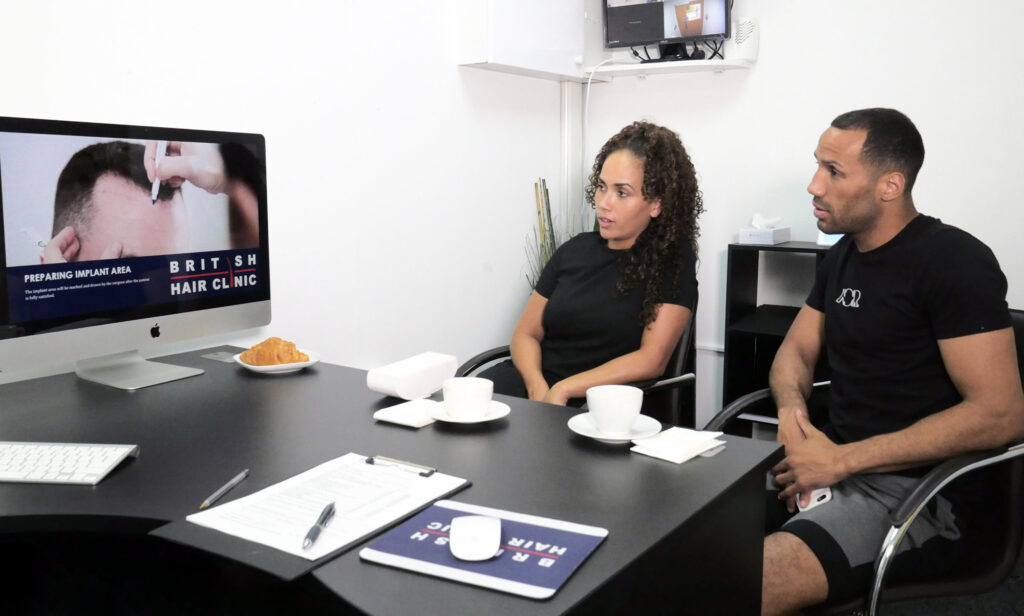
Hair transplants can be life-changing, but they’re not a generalised procedure. Depending on your ethnic background, the process comes with its own set of challenges that not every clinic can handle.
In this guide, we’ll look at what makes ethnic hair transplants different and how to find a clinic that can deliver the right results.
Here’s what sets ethnic hair transplants apart:
Follicle shape and curl pattern
Afro-textured and curly hair types typically have curved or C-shaped follicles beneath the skin. This makes extraction more complex, especially with FUE, because the risk of cutting or damaging the follicles is higher. It takes a skilled, experienced surgeon and surgical team to work around this without reducing graft survival.
Hairline design and density
Hairlines need to suit your face, features and cultural background. Depending on your ethnic background, your hair may grow in tighter clusters, so replicating natural density takes careful planning.
Risk of scarring
People with darker skin tones are generally more prone to keloid or hypertrophic scarring. This means surgical technique and healing aftercare are even more important. Surgeons must know how to minimise trauma to the scalp and choose methods that reduce visible scarring – like specialised FUE.
Graft handling and placement
Coarse or curly grafts require different handling than straight ones. If they’re not aligned correctly during implantation, the hair can grow in the wrong direction or, worse, not grow at all. This precision is critical to achieving a natural look and long-term results.
Surgeon experience matters more
Not all surgeons and their surgical teams are trained to work with ethnic hair types. You want a team who understands the technical side and also the aesthetic, restoring your hair in a way that suits you, not a generic template.
What to Look for in a Clinic That Specialises in Ethnic Hair
Not every clinic has the tools or experience to handle ethnic hair properly – even if they say they do. Here’s how to spot the difference between a hair clinic that claims to specialise and one that actually does:
Proven Experience with Ethnic Hair
You don’t want to be someone’s ‘first attempt’. Look for clinics that regularly work with patients who have Afro, Caribbean, South Asian or Middle Eastern hair types. They should be able to show real before-and-after photos, not stock images or examples from straight-hair patients.
Bespoke Hairline Design
A good clinic will work with your facial features, bone structure and natural hair pattern – not try to recreate a generic result. Hairlines are all different.
Advanced FUE Techniques
Standard FUE isn’t always enough. Curved follicles need specialised tools and a steady hand to extract them without damage. Ask what tools and techniques they use for tightly coiled or curved follicles and how they adjust their approach depending on your hair type.
Understanding of Scarring Risks
If your skin is more prone to keloid or hypertrophic scarring, your clinic needs to know that before they start. The right team will talk to you openly about healing, scarring and aftercare, adjusting their technique to lower the risk.
Clear, Honest Consultation
A professional consultation shouldn’t feel rushed and the surgeon should ask detailed questions about your goals, hair history and your expectations. If they gloss over the technical stuff or give vague answers when you ask about ethnic hair, take that as a red flag.
Questions to Ask During Your Consultation
Your consultation is an opportunity to find out if a hair transplant is right for you and to see if the surgeon is right for your type of procedure. Ask these 9 questions to get the answers you need:
- How often do you perform transplants on patients with my hair type?
- Can I see before-and-after photos of patients with similar hair and skin tones?
- What’s your approach to extracting curved or coiled follicles?
- How do you design hairlines for ethnic hair?
- Do you customise your tools or techniques for ethnic hair?
- What’s your graft survival rate for patients with curly or Afro-textured hair?
- Who performs the procedure and are they experienced with ethnic hair?
- What aftercare do you recommend for ethnic hair and darker skin?
- What challenges should I be aware of with my hair type – and how will you manage them?
Getting It Right the First Time
So, if you have ethnic hair and you’re considering a transplant, the clinic you choose matters more than anything else.
Do your research, ask the right questions and don’t rush the decision. The right clinic will give you straight answers, realistic expectations and a result that actually fits you.